It’s Not Just About Standing Up: How a Simple Reminder Made My Study Sessions Smarter and Calmer
We’ve all been there—sitting for hours, eyes glued to the screen, only to realize our back aches, our focus is gone, and we’ve barely retained anything. I used to push through, thinking more hours meant better results. But what if the real problem wasn’t my effort, but my stillness? This is the story of how a tiny digital nudge—a sedentary reminder—quietly transformed not just my posture, but my learning rhythm, mental clarity, and daily peace. It didn’t shout for attention; it simply helped me breathe, move, and think again.
The Invisible Trap of Sitting Still
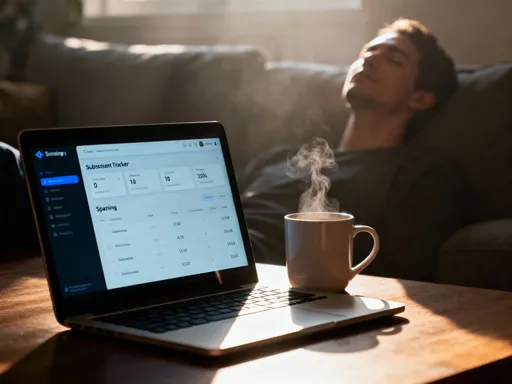
Remember those long study nights when the clock blurs and your neck starts to stiffen? You’re deep into a textbook or typing notes, convinced that stopping means losing momentum. I used to pride myself on marathon sessions—five, six hours at a stretch, fueled by coffee and determination. But over time, I noticed something strange: the more I sat, the less I actually absorbed. My thoughts felt heavy, like wading through syrup. I’d reread the same paragraph three times and still not get it. My shoulders would knot up, my eyes burned, and yet, I kept going, mistaking stillness for productivity.
It wasn’t laziness—it was a rhythm I didn’t even know I’d lost. I was trapped in a cycle where physical discomfort fed mental fatigue, and mental fatigue made me sit even longer, trying to 'catch up.' I didn’t realize how much my body was screaming for movement until I finally paused. One evening, after a particularly grueling session, I stood up and nearly stumbled. My legs felt numb, my head was foggy, and I couldn’t remember what I’d just read. That moment shook me. I wasn’t failing because I wasn’t trying hard enough—I was failing because I wasn’t listening.
What I didn’t know then was that science backs this up. Our bodies aren’t built for hours of uninterrupted stillness. When we sit too long, blood flow slows, oxygen to the brain decreases, and our nervous system starts to dull. But I didn’t need a research paper to tell me that. I could feel it—the restless mind, the aching back, the frustration of working so hard and getting so little in return. The real problem wasn’t my discipline. It was the silence between my body and my brain. And it took a small, blinking notification to help me hear it again.
Meeting the Little Nudge That Changed Everything
The first time I turned on the sedentary reminder, I didn’t expect much. It was tucked away in the settings of my smartwatch, one of those features I’d ignored for months. I’d seen the option, thought, 'That’s probably for office workers,' and moved on. But after that dizzying study night, I decided to give it a try. I set it to gently buzz every 50 minutes—just a soft tap on my wrist, like a friend tapping my shoulder.
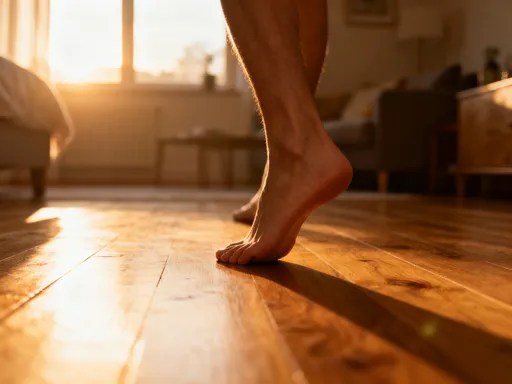
The first alert came during a deep dive into a psychology chapter. I was in the middle of a complex theory, fully absorbed, when I felt the buzz. My instinct? To ignore it. 'I’m in the zone,' I thought. 'If I get up now, I’ll lose my focus.' But something made me pause. I closed my laptop, stood up, and stretched my arms over my head. I walked to the kitchen, poured a glass of water, and looked out the window for a full minute. When I sat back down, something surprising happened: I understood the paragraph I’d been stuck on.
It wasn’t magic. It was movement. That brief pause had reset my brain. The nudge didn’t disrupt my flow—it restored it. Over the next few days, I started looking forward to the buzz. It wasn’t an interruption. It was a check-in. A quiet, consistent voice saying, 'Hey, how are you doing? Don’t forget to breathe. Don’t forget to move.' I stopped seeing it as a tech feature and started seeing it as a companion—one that cared about my well-being as much as my productivity.
And here’s the thing: it didn’t demand perfection. If I missed a reminder, it didn’t scold me. If I silenced it during an important section, it waited. It was patient, consistent, and kind. In a world full of demanding notifications—emails, messages, deadlines—this one felt different. It wasn’t pulling me away from life. It was pulling me back into it.
From Body Awareness to Mind Clarity
Once I started listening to the reminders, I began to notice something subtle but powerful: my thinking got clearer. It wasn’t just that my back felt better or my shoulders relaxed. My mind felt lighter, more agile. When I hit a mental block, instead of forcing myself to power through, I’d wait for the next buzz. I’d stand, stretch, maybe do a quick lap around the house. And more often than not, when I returned, the solution would come to me—effortlessly.
It reminded me of how water flows. When it’s stagnant, it gets cloudy. But when it moves, it clears. Our brains work the same way. Movement increases blood flow, delivers oxygen, and helps clear the mental 'fog' that builds up when we’re stuck in one position. I didn’t need to do anything intense—a simple walk, a few shoulder rolls, even just standing and breathing deeply was enough. The key wasn’t the exercise itself, but the break from stillness.
I started experimenting. On days when I skipped the reminders, I felt heavier, slower. On days when I honored them, I retained more, read faster, and even enjoyed studying more. I shared this with a friend who’s a teacher, and she laughed. 'That’s why my best ideas come while folding laundry or walking the dog,' she said. 'Your brain needs motion to stay awake.' It made so much sense. We don’t learn in stillness—we learn in rhythm.
And the beauty of it was that it worked for everyone in my house. My teenage daughter started using the same feature on her phone during homework. My husband, who works from home, set up alerts on his tablet. We even joked about it at dinner: 'Did you get your buzz today?' It became a small ritual, a shared understanding that taking care of our bodies wasn’t a distraction from our goals—it was part of them.
Building a Rhythm, Not a Routine
At first, I treated the reminders like a strict rule: buzz = stand up, no exceptions. But that mindset didn’t last. Life isn’t that predictable. Some days, I was in the middle of a timed quiz. Other days, I was deep in conversation with my daughter. Forcing a break in those moments felt unnatural, even stressful. So I shifted my approach. Instead of seeing the alerts as commands, I started seeing them as invitations.
This changed everything. I didn’t have to jump up the second it buzzed. I could wait ten minutes, finish a thought, or combine a few alerts into one longer break. The goal wasn’t rigidity—it was rhythm. I began to sense my own natural ebb and flow. I’d study for 45 to 60 minutes, then pause. Sometimes I’d stretch. Sometimes I’d step outside. Sometimes I’d just close my eyes and breathe. The break didn’t have to be fancy. It just had to exist.
Over time, I noticed my mental stamina improved. I wasn’t burning out by mid-afternoon. I could focus for longer stretches because I was giving my brain regular resets. It was like charging a phone—not waiting until it dies, but plugging it in before the battery runs low. I started to feel calmer, more in control. A friend noticed and said, 'You seem different lately. More present. Like you’re really listening when we talk.' I realized that the same rhythm that helped me study was helping me live.
And that’s when it hit me: this wasn’t about productivity. It was about presence. The breaks weren’t stealing time from my day—they were giving time back. By honoring my body’s need to move, I was showing up more fully in my work, my home, and my relationships. The rhythm wasn’t imposed by technology. It was uncovered by it.
How It Quietly Strengthened My Discipline
Here’s a surprising truth: using a reminder didn’t make me weaker. It made me stronger. At first, I worried that relying on a buzz meant I lacked self-control. But the opposite happened. Responding to the alert taught me to trust my body’s signals. I started noticing when I was tired, when I was straining, when I needed a pause—before the reminder even went off.
That’s real discipline: not pushing through pain, but knowing when to rest. The reminder became a training wheel. It helped me build the habit of checking in with myself. And as the weeks passed, something shifted. I began to anticipate the breaks. I’d think, 'I’ve been sitting a while. Maybe I should stretch.' The external nudge was becoming an internal voice. I didn’t need the buzz as much anymore because I’d internalized the rhythm.
This changed how I approached all kinds of habits. If a tool could help me move more, what else could it support? I started using gentle notifications for drinking water, for taking a moment to journal, even for pausing to appreciate something small—a blooming flower, my child’s laugh. Each one was a tiny act of care. And each one built my capacity to show up for myself.
Discipline isn’t about gritting your teeth and enduring. It’s about consistency, kindness, and attention. The reminder didn’t replace my willpower. It strengthened it. It showed me that support isn’t weakness—it’s wisdom. And sometimes, the most powerful tools aren’t the ones that do the work for us, but the ones that help us remember how to do it for ourselves.
Making It Work for Real Life (Not Just Ideal Days)
Let’s be honest: I didn’t get this right the first week. I set too many reminders and felt annoyed. I ignored them during intense sessions and felt guilty. I even turned them off for a few days, convinced I didn’t need them. But each time I came back, I adjusted. I learned that flexibility was key.
Now, I keep the alerts gentle—just a soft vibration, no loud sounds. I set them to every 50–60 minutes, but I don’t panic if I miss one. I’ve paired the breaks with small joys: a sip of herbal tea, a moment in the sunlight, a quick chat with my dog. These aren’t chores. They’re treats. And that makes all the difference.
I also remind myself: this isn’t about perfection. Some days, I sit longer. Some days, I forget. That’s okay. What matters is the intention. Did I listen today? Did I move? Did I breathe? If the answer is yes, even once, it’s a win. I’ve learned to be kind to myself, to celebrate small steps, and to trust that progress isn’t linear.
If you’re thinking of trying this, start small. Turn on the sedentary reminder on your device—phone, watch, tablet—and set it to once an hour. When it buzzes, just stand up. That’s it. You don’t have to do 20 jumping jacks or meditate for 10 minutes. Just stand. Breathe. Look out the window. Let your body remember what it feels like to be alive. Over time, you’ll find your own rhythm. And it will feel less like a rule and more like a return—to yourself.
More Than Better Study—A Kinder Way to Live
The most unexpected gift of this simple habit? It changed how I show up in my life. I’m more patient with my kids. I listen more deeply to my husband. I notice the seasons changing, the way the light shifts in the afternoon. The pauses that started as study breaks became moments of presence. I’m not just learning better. I’m living better.
Technology often gets blamed for pulling us away from real life. But this experience reminded me that it can also bring us back. When used with intention, a simple reminder can become a tool for care, for awareness, for connection. It doesn’t fix us. It helps us remember how to fix ourselves.
I used to think self-improvement meant doing more—reading faster, studying longer, pushing harder. Now I know it’s often about doing less. Pausing. Listening. Moving. Breathing. The sedentary reminder didn’t change my schedule. It changed my relationship with time, with my body, with my mind. It taught me that rest isn’t the enemy of progress. It’s its partner.
So if you’re feeling stuck, tired, or overwhelmed, I invite you to try this: set a gentle reminder to move. Let it be soft. Let it be kind. And when it buzzes, don’t see it as a demand. See it as a gift—a small, digital hand reaching out to say, 'You matter. Your body matters. Your peace matters.' Because it’s not just about standing up. It’s about waking up. And sometimes, the quietest nudge is the one that changes everything.