Tired of Your Phone Chaos? This Simple App Habit Transformed My Day
We’ve all been there—scrolling through endless apps, forgetting where we saved that important note, or missing a reminder because it got buried under notifications. Your phone should help, not overwhelm. I used to feel the same, until one small change made everything click. It wasn’t about downloading more tools—it was about organizing what I already had. Let me show you how a simple shift in how I manage my apps brought calm, clarity, and control back to my daily life. And if you’re someone juggling home, family, and personal dreams, this isn’t just tech advice—it’s peace of mind in your pocket.
The Morning Mess: How My Phone Was Actually Wasting My Time
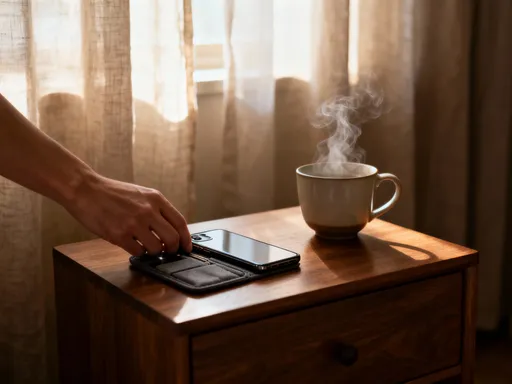
Mornings used to be my most frustrating time. I’d wake up, reach for my phone, and suddenly an hour had passed. I wasn’t even out of bed, yet I felt behind. I’d open the weather app, then the news, then my messages, then my calendar—each tap taking me deeper into a digital maze. By the time I got up, I was already tired. My screen was cluttered: apps scattered everywhere, folders named “Stuff” or “Maybe,” and notifications piling up like unread mail. I kept asking myself, “Why does checking my phone feel like work?” The truth? My phone wasn’t broken. I was using it like a dumping ground, not a tool.
Think about it—how many times have you opened your phone to check one thing and ended up doing five others? That’s not your fault. It’s design. Apps are built to grab attention, not serve you. But when you’re a mom, a wife, or someone managing a household, every minute counts. I realized I was spending precious morning energy just trying to find what I needed. I had the weather app buried on page three, my grocery list in a note I couldn’t locate, and my daughter’s school calendar lost in a sea of icons. I wasn’t lazy—I was disorganized. And that disorganization was stealing my calm before the day even began.
What changed? I stopped blaming myself and started rethinking my phone. I asked a simple question: “How can my phone work for me, not against me?” That shift—from frustration to curiosity—was the first step. I didn’t need more apps. I didn’t need a new phone. I needed a system. One that respected my time, my energy, and my real-life priorities. And it started with looking at my home screen like it was my kitchen counter: if I wouldn’t leave dishes out all day, why let digital clutter take over my most used tool?
Why Organization Isn’t Just About Looks—It’s About Energy
You might think a tidy phone is just about aesthetics—neat icons, pretty folders, a clean look. But it’s so much deeper than that. Every time you search for an app, you use mental energy. That’s not just my opinion—it’s backed by how our brains work. Psychologists call it “decision fatigue.” The more small choices you make, the more tired you get. And when your phone is messy, you’re making tiny decisions all day: “Which app has my notes?” “Where did I save that recipe?” “Is this notification important?” Over time, that adds up. It’s like carrying a backpack full of rocks—you don’t notice each one, but by evening, you’re exhausted.
I started to see my phone as an extension of my mind. When it was cluttered, my thoughts were cluttered. When it was organized, I felt clearer. It’s like walking into a tidy kitchen—you know where everything is, so you can cook without stress. But walk into a messy one, and even making toast feels hard. That’s what my phone was like before. I’d open it to check a reminder, but the visual noise made me feel anxious. I’d see unread messages, promotional banners, app badges—all screaming for attention. My body would tense up. I didn’t realize how much that affected my mood until I changed it.
Once I grouped my apps and cleared the chaos, something surprising happened: I felt calmer. I wasn’t reacting to every ping. I wasn’t scrolling out of habit. I was using my phone with purpose. That’s the real benefit of organization—it’s not about control. It’s about freedom. Freedom from distraction. Freedom from decision overload. Freedom to focus on what matters: your family, your goals, your peace. And for someone like me—who values calm, connection, and a sense of order—this small change felt like reclaiming part of my life.
The 5-Minute Rule: A Realistic Way to Tame Your Apps
Here’s the truth: I didn’t have hours to redesign my phone. I didn’t want to learn complicated systems or download more apps to manage my apps. I needed something simple, sustainable, and doable. That’s when I created the 5-Minute Rule. Every Sunday night, I spend five minutes reviewing my apps. That’s it. No pressure. No perfection. Just five minutes to reset before the week begins. It’s become my favorite little ritual—one that costs nothing but gives me so much.
Here’s how it works. First, I delete any app I haven’t used in the past week. Be honest—how many apps do you have that you downloaded “just in case”? I had at least ten. Meditation apps I never opened. Workout trackers I abandoned after three days. Shopping apps that just sent me sales alerts. Out they went. Deleting unused apps isn’t about being harsh—it’s about making space for what you actually use. It’s like cleaning out your closet: you don’t miss the clothes you never wear.
Next, I group the rest by purpose. I don’t organize by color or alphabet—I organize by life. I have a “Family” folder with my kids’ school apps, family calendar, and messaging. A “Work” folder with email, notes, and scheduling tools. A “Self-Care” folder with my meditation app, water tracker, and journal. And a “Home” folder for grocery lists, recipes, and home maintenance. This way, when I need something, I know exactly where to go. No more guessing. No more scrolling.
Finally, I keep only three to five apps on my home screen. These are the ones I use every single day: phone, messages, camera, calendar, and notes. That’s it. Everything else lives in folders. This keeps my screen calm and focused. It’s like having a clean desk—only the most important tools are out. The rest are stored neatly away. And the best part? This five-minute habit has saved me hours over time. I don’t waste time searching. I don’t get distracted by apps I don’t need. I just use my phone—and then move on with my day.
Folder Names That Actually Help—Not Confuse
Let’s talk about folder names. Most of us name them “Apps,” “More,” or “Misc.” But what does that tell you? Nothing. If your folder is called “Stuff,” you might as well not have a folder at all. I learned this the hard way. I’d open “Misc” and still have to search through ten apps to find what I needed. It defeated the whole purpose. So I changed my approach: I started naming folders by what I wanted to *do*, not what was inside.
For example, instead of “Finance,” I call mine “Pay & Track.” It includes my banking app, budget tracker, and bill reminders. The name reminds me of the action: pay bills, track spending. Instead of “Family,” I have “Call Mom & Team.” It holds my mom’s number, my sister’s chat, and my husband’s work line. The name makes it personal and clear. I don’t just see a label—I see a purpose. And when I’m tired or in a rush, that clarity matters.
Another favorite is “Eat Well.” It has my recipe app, grocery list, and water tracker. Not “Food,” not “Kitchen”—“Eat Well.” It feels positive. It reminds me of my goal. I also have “Move & Breathe” for my walking app, stretching videos, and meditation timer. These names aren’t just clever—they’re functional. They turn organization into intention. I’m not just storing apps. I’m supporting my values: health, connection, peace.
You might think this is overkill, but try it. Change one folder name today. Make it action-based. Make it meaningful. You’ll be surprised how much easier it is to find what you need. It’s like labeling your pantry jars—you don’t have to guess what’s inside. You see “Oats,” “Flour,” “Sugar,” and you know. That’s the power of good naming: it removes friction. And in a busy life, less friction means more ease.
Using Widgets Wisely: Let Information Come to You
Widgets used to scare me. I’d see them on friends’ phones—colorful, busy, full of data—and think, “That looks like more clutter.” So I avoided them. But then I realized: widgets aren’t the problem. It’s how we use them. A messy widget is distracting. A smart one saves time. So I started using just two—and they’ve changed how I use my phone.
The first is my to-do widget. It lives right on my home screen and shows my three most important tasks for the day. I don’t have to open an app. I don’t have to remember. I just glance and know. It’s like having a kind assistant whispering, “Don’t forget the dentist appointment.” No stress. No guilt. Just clarity. I update it every morning with one tap. It’s not fancy, but it keeps me on track.
The second is my family calendar widget. It shows the day’s events: soccer practice, parent-teacher conference, my yoga class. When I’m making breakfast, I can see what’s coming up without opening anything. It helps me plan, prepare, and stay present. Before, I’d forget things or double-book. Now, I feel in control. And when my kids ask, “What are we doing today?” I don’t have to search. I just look.
Here’s my rule: if a widget doesn’t save me time or reduce stress, it doesn’t earn a spot. I don’t have news widgets. I don’t have social media previews. I don’t want my phone shouting headlines at me first thing. I want it to support my life, not add noise. So I keep it simple. Two widgets. Two purposes. One for tasks. One for time. And together, they help me start each day with focus, not frenzy.
The Weekly Reset: Making It Stick Without the Stress
Here’s what I’ve learned: systems fail without rhythm. I could organize my phone on Sunday, but by Thursday, it would be messy again. Why? Because life happens. I download a new app for a school project. I try a fitness challenge. I forget to delete things. So I built a weekly reset into my routine—and I made it feel good, not like a chore.
Every Sunday night, I make a cup of tea. I put on soft music. I sit on the couch with my phone and my notebook. For five minutes, I review my apps. I delete what I don’t use. I check my folders. I update my to-do widget. It’s not a big deal. But it’s consistent. And consistency builds trust—with myself, and with my system. I know my phone will stay organized because I give it a little care each week, like watering a plant.
This moment has become more than tech maintenance. It’s a pause. A breath. A chance to reflect on the week ahead. I ask myself: What do I need to focus on? What’s important? How can I protect my energy? My phone becomes a mirror of my priorities. If I see too many work apps, I know I’m overcommitting. If my self-care folder is empty, I know I’m neglecting myself. This tiny habit has turned into a weekly check-in with my life.
And here’s the best part: it’s not about perfection. Some weeks, I only spend two minutes. Some weeks, I forget. But I always come back. Because I know this isn’t about having a perfect phone. It’s about creating a tool that helps me live a better life. And when I treat it with care, it treats me with calm.
More Than a Cleaner Phone—It’s a Calmer Life
When I first started this journey, I thought I was just organizing apps. But what I really did was reclaim my attention. My phone used to pull me in every direction. Now, it supports me. I don’t feel guilty for using it. I don’t feel lost in it. I use it—and then I put it down. And in those moments, I’ve found more space: to listen to my daughter’s story, to enjoy my coffee, to just *be*.
This isn’t about tech. It’s about life. It’s about choosing calm over chaos. Intention over impulse. Presence over distraction. For me, a tidy phone means I can focus on my family without feeling scattered. It means I can pursue my goals without getting derailed by digital noise. It means I feel more in control, even when life feels unpredictable.
I still have busy days. I still get overwhelmed. But now, when I reach for my phone, it doesn’t make it worse. It helps. It reminds me of my priorities. It shows me my schedule. It holds my to-dos. It connects me to the people I love. And that, more than anything, has changed how I feel every single day.
So if you’re tired of the chaos, try this: start small. Spend five minutes this week cleaning your home screen. Delete one app you don’t use. Name one folder with purpose. Add one helpful widget. See how it feels. You don’t need a tech overhaul. You need a shift in mindset. Your phone can be a source of peace, not stress. And when it is, you’ll find—you are too.