Tired of Awkward Silences While Waiting? This Simple App Keeps Our Family Conversations Alive
Family moments often slip away in the in-between times—waiting for appointments, riding the bus, or standing in line. You want to connect, but sometimes the conversation stalls. I felt the same, until we started sharing little digital moments that kept us close, even in silence. It wasn’t about fancy tech—it was about staying present. Now, those forgotten minutes have become our most meaningful connections. What if I told you that the same devices we often blame for pulling us apart could actually be the very thing that brings us closer? That’s exactly what happened in my family. And it didn’t take a genius, a budget, or even a new gadget. Just a small shift in how we use the tools we already have.
The Hidden Gaps in Our Family Time
Let’s be honest—when we think of quality family time, we picture Sunday dinners, holiday gatherings, or weekend road trips. But real connection? It rarely happens on a schedule. It sneaks in during the quiet, unplanned moments—the five minutes before a dentist appointment, the ten-minute wait for the school bus to arrive, the twenty minutes standing in line at the pharmacy. These in-between times used to be filled with silence, or worse, with both of us buried in our phones. I remember sitting beside my mom at a routine check-up, both of us scrolling, not speaking. It wasn’t that we didn’t care. We did. But we just… ran out of words. Or maybe we never knew how to start.
Then one day, I asked her a simple question: “Do you remember that summer we went blueberry picking and it started pouring?” Her face lit up. She told me how we danced in the rain, how the berries stained our fingers purple, how Dad tried to make a pie and burned it. That five-minute memory turned into a twenty-minute conversation. And it made me realize: we weren’t missing connection—we were just missing a way to unlock it. That’s when I started thinking about how technology could help, not hurt. Not by replacing real talk, but by sparking it. Not with complicated apps or endless notifications, but with something gentle, simple, and human.
Here’s the truth: we underestimate the emotional weight of small moments. A shared laugh, a remembered detail, a photo of a silly face—these aren’t trivial. They’re the glue. And the more I paid attention, the more I saw how many of those tiny opportunities we were letting slip away. The good news? We don’t need more time. We just need to use the time we already have—those waiting gaps—with more intention. And that’s where a simple digital habit changed everything.
How Waiting Time Became Our Secret Bonding Window
It started with a photo. A real, old-school printed one I found in a shoebox—me at six years old, grinning in a sunhat, holding a basket full of apples from our family orchard. I took a picture of it with my phone and sent it to my grandmother with the caption: “Remember this day?” I didn’t expect much. But within minutes, her voice note came through. “Oh, honey, I remember! You were so proud of your little basket. And then you tripped and fell right into the hay bale—covered head to toe! We laughed for hours.” I smiled so wide my cheeks hurt. That tiny exchange—less than ten minutes—led to a forty-five-minute phone call. We talked about the orchard, the old farmhouse, the smell of apple cider in the fall. It was one of the best conversations we’d had in years.
That’s when it hit me: waiting time isn’t empty. It’s full. Full of memories, full of love, full of stories just waiting to be remembered. The delay at the train station, the slow grocery line, the endless drive-thru wait—these aren’t wasted moments. They’re invitations. And with a simple digital tool, we turned those pauses into connection points. Now, when I’m stuck waiting, I don’t reach for random videos or endless scrolling. I reach for a memory. I send a photo. I ask a question. And more often than not, someone answers. Not because they have to, but because they want to.
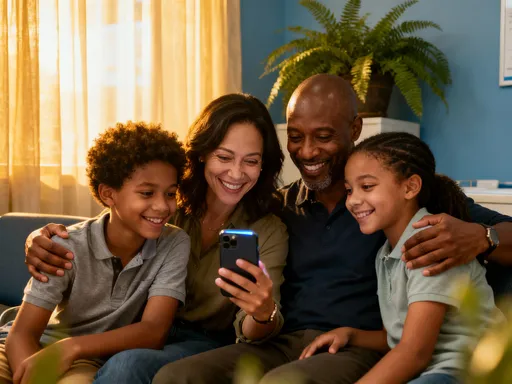
My cousin started doing the same with her teenage daughter. They created a shared album labeled “Us in the In-Between.” A blurry selfie from the car. A video of the dog chasing his tail. A screenshot of a funny text from Dad. Nothing grand. But over time, that album became a treasure. “It’s not about the photos,” she told me. “It’s about the feeling. Like we’re still together, even when we’re not.” That’s the magic. These aren’t just digital files—they’re emotional deposits. Tiny investments in our relationships that pay off in warmth, laughter, and belonging.
Choosing the Right Tool Without the Tech Stress
Now, I know what you might be thinking: “Another app? Another password? Another thing to learn?” I hear you. I really do. When I first suggested this to my aunt, she said, “I barely know how to answer a video call!” So we didn’t go for anything fancy. We started with something simple—something most of us already have and use every day: a shared photo album in a messaging app. No downloads. No logins. No tutorials. Just a tap, a photo, and a message.
The truth is, the tool doesn’t matter as much as the intention behind it. You don’t need the latest platform or a subscription. What you need is consistency, warmth, and a little curiosity. Think of it like passing a note in class—only now, the note can include a photo, a voice message, or a quick video. We use a group chat where everyone can share, comment, or just smile at a memory. Some families prefer a private cloud album. Others use a simple email thread. The key is choosing something that feels easy, not overwhelming.
Here’s what I recommend: pick a platform your family already uses. If you’re always texting, use a shared album in your messaging app. If you’re more email people, start a family thread where anyone can reply-all with a photo or story. If you’re comfortable with cloud storage, create a folder and share the link. The goal isn’t tech perfection—it’s emotional connection. And the best part? You don’t have to be tech-savvy to make it work. I showed my mom how to add a photo to our album in less than two minutes. “That’s it?” she said. “That’s it,” I said. And now she’s the one sending pictures of her garden, her coffee mug, her cat sleeping in a sunbeam.
The real secret? Start small. One photo. One memory. One “remember when?” That’s enough to begin. Don’t worry about frequency. Don’t stress about quality. Just show up. Because once someone responds, once someone says, “Yes, I remember,” the connection begins to grow. And it grows not because of the app, but because of the heart behind it.
Bridging Generations with Simple Digital Gestures
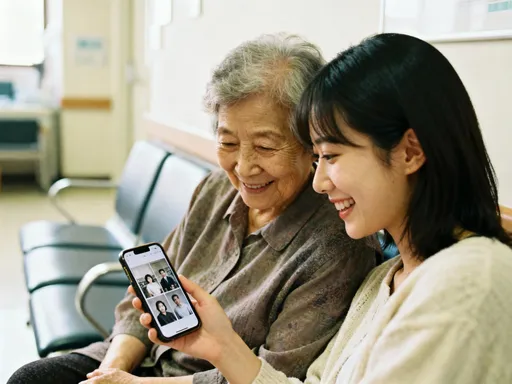
One of the most beautiful surprises? How this simple habit brought my teenage nephew and my 78-year-old aunt into real conversation. They’ve never lived in the same city, and for years, their interactions were limited to polite “Happy Birthday” texts. But now? They exchange memes. Yes, memes. My aunt sends funny animal videos with captions like “This is how I feel on Monday mornings.” He sends her throwback photos with jokes about “back in your day.” And somehow, it works. It’s not just humor—it’s a bridge.
Then there was the day my nephew asked, “What was Grandpa like when he was young?” Instead of a long answer, my aunt sent a voice note. She told a story about how Grandpa fixed their old car with duct tape and hope, how he danced in the kitchen with her mom, how he saved every penny to buy her a piano. That voice note—less than three minutes long—meant more than any family history book ever could. My nephew listened to it twice. Then he replied with a photo of his own car and said, “Still using duct tape. Some things never change.”
These aren’t grand gestures. They’re tiny digital handshakes. A doodle from my niece labeled “This is how I imagine Great-Grandma.” A scanned recipe card from my mom: “Your dad’s famous burnt pancakes—still delicious.” A 15-second video of my brother’s toddler clapping to a song from the 80s. These moments don’t replace deep conversations, but they prepare the ground for them. They keep the thread alive. They say, “I’m thinking of you. I remember us. You’re part of this story.”
And here’s the thing: it’s not just for young and old. It works between siblings, cousins, parents and grown children. The more we share, the more we see each other—not just as roles (mom, daughter, aunt), but as people with stories, quirks, and humor. Technology doesn’t create connection. But it can carry it. And when that connection spans decades, it becomes something deeper: a living family archive, built one small moment at a time.
Making Memories Without the Pressure to Perform
For years, I thought family memories had to be perfect. Coordinated outfits. Smiles on cue. No messy hair, no burnt food, no tears. I’d stress over capturing the “right” moment, only to realize I’d missed the real one. Then I started noticing what actually mattered: the pancake fight at breakfast. The impromptu dance party in the kitchen. The way my dad snored during Sunday movies. These weren’t Instagram-worthy. But they were ours.
So we made a rule in our digital space: no pressure. No filters. No editing. Just real life. A blurry photo of Dad’s burnt pancakes? Posted. A 12-second video of Mom dancing while waiting for the microwave? Shared. A screenshot of a silly text from my sister? Saved. These aren’t for likes or followers. They’re for us. And in that freedom, something beautiful happened: everyone started participating. Even the ones who said, “I’m not good with phones” or “I don’t have anything interesting to share.” Because now, they knew: it’s not about being interesting. It’s about being seen.
My mom once sent a photo of her feet in fuzzy socks, captioned: “Cozy Sunday.” Simple. Quiet. But it made me smile. It reminded me of her, of home, of comfort. That’s the power of the imperfect. It’s relatable. It’s human. And in a world that often feels too polished, too curated, too loud, these small, messy moments feel like a breath of fresh air. They say, “It’s okay to be ordinary. It’s okay to be you.”
And that’s the heart of it: creating a digital space that feels safe, warm, and joyful. Not a performance. Not a competition. Just a place where every voice matters, every memory counts, and every “I’m thinking of you” lands exactly where it should.
Building a Habit That Feels Natural, Not Forced
Let’s be real—it didn’t happen overnight. At first, we overthought everything. “Should we post every day?” “Is this important enough?” “Will anyone even care?” We tried to make it a chore, and it felt like one. Then we let go. We stopped setting rules. We stopped tracking. We just… started sharing when it felt right. And slowly, it became natural. Like passing the salt at dinner. Like saying “Good morning.” Like holding the door open.
The key? No pressure. No guilt. No deadlines. If someone shares and no one responds right away, it’s okay. If you forget for a week, that’s fine. The goal isn’t perfection. It’s presence. And presence doesn’t have to be loud. It can be a photo. A voice note. A single word: “Remember?”
Here’s how we made it stick: we linked it to existing habits. Waiting for the coffee to brew? Snap a photo of your mug. Sitting in the car before practice? Send a quick “Thinking of you” to your sister. Standing in line at the store? Share a memory from last summer’s trip. These tiny actions take seconds, but they build connection over time. And the more we did it, the more we looked forward to it. It became less about the tech and more about the feeling—like sending a little love note into the world, knowing someone will smile when they see it.
And the best part? It didn’t add to our to-do list. It became part of our rhythm. Not another task. Just another way of being together.
The Quiet Transformation of Everyday Connection
Over time, something shifted. The silence between us feels different now. Warmer. Softer. Less like emptiness, more like comfort. We’re more present, even when we’re apart. Those little digital pings—no longer seen as distractions—are now reminders: *You’re part of this story.* They don’t replace face-to-face time. But they prepare us for it. They keep the thread warm. They make reunions easier, conversations deeper, goodbyes a little lighter.
This isn’t about screen time. It’s about heart time. It’s not about tech overload. It’s about emotional availability. We’re not glued to our phones—we’re using them to stay unglued from loneliness, from distance, from the busyness that so easily pulls us apart. And it all started in the moments we used to waste.
I used to think connection required big gestures—planned visits, special occasions, long talks. But now I see it differently. Connection lives in the small, quiet, in-between moments. A photo. A voice. A memory. A “remember when?” shared across miles and years. It’s not about how much time we have. It’s about how we use it. And when we use it to say, “I see you. I remember us. I’m still here,” something beautiful happens. We stay close. Not because we’re perfect. Not because we talk every day. But because we’ve learned to show up—in tiny, tender, truthful ways.
So the next time you’re waiting—anywhere, for anything—don’t reach for distraction. Reach for connection. Send that photo. Ask that question. Share that memory. Because the person on the other end? They’re probably waiting too. And they’re hoping, just like you, to hear from someone who cares. In a world that moves too fast, these small digital moments are our quiet rebellion. Our way of saying: *We matter. We belong. We’re still here, together.* And that’s worth every second.”