What if your phone stopped feeling like a chore and started working for you?
Remember that Sunday morning when you sat with coffee, only to spend an hour scrolling, checking apps, and still feeling behind? We’ve all been there—overwhelmed by notifications, lost in clutter, frustrated by the very device meant to help. But what if your smartphone could actually simplify your life instead of complicating it? This isn’t about new gadgets or extreme digital detoxes. It’s about making small, smart changes that turn chaos into calm—and give you back time, focus, and peace. And the best part? You don’t need to be tech-savvy. You just need to be ready to reclaim your attention.
The Overwhelmed Phone: When Apps Control Your Life
Let’s be honest—our phones were supposed to make life easier. But somewhere along the way, they started making us feel more scattered than supported. I remember one Tuesday morning when I was trying to find a school permission slip my daughter had texted me. I opened Messages, scrolled past birthday party invites, grocery reminders, and a dozen spam alerts, only to realize I’d already missed the deadline. That moment hit hard. It wasn’t just about the permission slip. It was the realization that my phone, which I’d always thought of as my personal assistant, had become my taskmaster.
Sound familiar? You’re not alone. Most of us carry over 80 apps on our phones, but we only use about 30 regularly. The rest sit there, quietly collecting digital dust—and worse, quietly distracting us. Every time a notification pops up from an app we barely remember downloading, our brain does a little double-take. Was that important? Should I check it? That tiny moment of hesitation adds up. Multiply it by dozens of alerts a day, and suddenly, your attention is no longer your own.
And it’s not just about missing messages. It’s about the constant low-grade stress of feeling like you’re always behind. You open your phone to check the weather and end up watching a 15-minute video about backyard chicken coops. You try to pay a bill and get pulled into a social media spiral. These aren’t just time wasters—they chip away at your sense of control. The phone was supposed to help you manage life, but instead, it feels like it’s managing you.
The Wake-Up Call: Realizing Change Is Possible
The turning point for me came during a quiet moment—of all places—while I was dropping my son off at soccer practice. I opened my phone to check the time and ended up spending 20 minutes searching for a digital parking receipt I needed for reimbursement. It was buried somewhere in my email, messages, or maybe a photo folder. I finally gave up and drove home annoyed. But on the way, I asked myself: Why am I letting this tiny piece of information control my mood?
That question sparked something. I realized I’d been living in reaction mode—constantly responding to alerts, chasing down information, and feeling frazzled. But what if I could shift from reacting to leading? What if I could design my phone to serve my life instead of the other way around? It wasn’t about getting rid of my phone or going back to paper planners. It was about being intentional. And the truth is, you don’t need to overhaul everything at once. You just need to start noticing where your phone helps—and where it hurts.
That shift in mindset made all the difference. Instead of seeing my phone as a source of frustration, I started seeing it as a tool I could reshape. I began paying attention to which apps made me feel calm and which made me anxious. Which notifications pulled me in usefully, and which just created noise. I didn’t need more discipline—I needed better design. And once I realized that, I felt hopeful. Because design can be changed. Habits can be reshaped. And peace? Peace is possible—even in the middle of a busy day.
The First Step: Cleaning Up the Home Screen Chaos
If your phone feels overwhelming, start with the most visible part: your home screen. Think of it like your kitchen counter. You wouldn’t leave every pot, pan, and utensil out all the time, right? You keep the essentials within reach and store the rest. Your home screen should work the same way.
Here’s what I did: I spent one evening going through every app on my phone. I asked myself: Do I use this at least once a week? Does it serve a real purpose in my daily life? If the answer was no, I moved it to a folder or deleted it entirely. I was surprised at how many apps I’d forgotten I even had—games I played once, trial subscriptions I never canceled, duplicate tools I’d downloaded just in case. Out they went.
Then, I reorganized what was left. I created simple folders: one for banking and bills, one for shopping, one for health and fitness. I left only five apps on my home screen: phone, messages, camera, calendar, and my to-do list. That’s it. No social media. No email. Those live inside folders, one tap away—but not staring me in the face the moment I unlock my phone.
The change was instant. I stopped feeling like I had to check everything all the time. With fewer choices, I made decisions faster. I opened my phone with a purpose, not a panic. And that small act of tidying gave me a sense of calm I hadn’t felt in years. It’s amazing how much emotional weight we carry in digital clutter. When you clear it out, you create space—not just on your screen, but in your mind.
Mastering Notifications: Taking Back Your Attention
If cluttered apps are the clutter in your kitchen, notifications are the constant knocking at the door. Imagine if someone knocked every two minutes—would you ever get anything done? That’s what our phones do when every app is allowed to ping us. The good news? You get to decide who gets to knock.
I started by turning off notifications for everything except the essentials: calls, texts, and calendar alerts. That meant muting social media, silencing promotional emails, and disabling app badges—the little red numbers that make you feel like you’re behind. At first, it felt strange. I kept checking my phone out of habit, expecting new alerts. But within a few days, the silence became a relief.
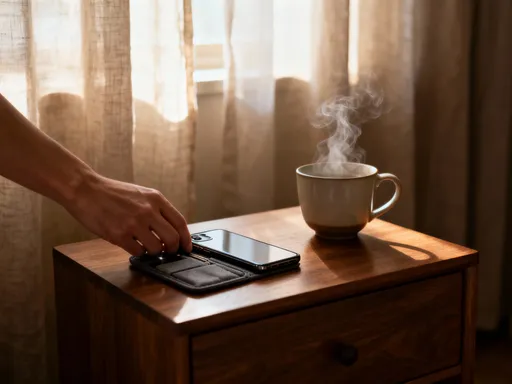
One morning, I was sitting with my coffee, actually enjoying the quiet, when my sister texted me a photo of her new puppy. I saw it when I opened my messages—not because a loud alert startled me, but because I chose to look. And that made the moment more meaningful. I wasn’t reacting to noise. I was engaging on my terms.
Over time, I noticed other changes. I was less jumpy. I could focus on conversations with my kids without feeling the urge to check my phone. I stopped feeling guilty for not replying instantly. Why? Because I wasn’t being bombarded. I was in control. And that control gave me something priceless: presence. You can’t be fully with your family if your attention is constantly being pulled away by digital pings. Turning off notifications didn’t make me less connected—it made me more present.
One App, One Job: Simplifying Your Digital Toolkit
Have you ever opened your phone and realized you have three weather apps? Or two note-taking tools? Maybe even four different shopping lists? I did. And the truth is, having multiple apps for the same job doesn’t make us more organized—it makes us more confused.
I used to think more options meant more flexibility. But in reality, it just meant more decisions. Every time I wanted to check the forecast, I had to pick which app to open. Every time I needed to jot down a reminder, I had to remember which notebook I’d used last. That tiny friction added up. It wasted time and mental energy. So I made a rule: one app, one job.
I picked one weather app—just the one built into my phone—and deleted the others. I chose one notes app and transferred everything into it. I picked one shopping list tool and invited my husband to share it. The goal wasn’t to find the “best” app. It was to pick one that worked well enough and stick with it. Consistency builds muscle memory. When you always know where to find your notes or your to-do list, you don’t waste time searching. You just do.
It felt a little strange at first, like I was limiting myself. But the opposite happened. I felt freer. I wasn’t juggling options. I wasn’t worried about missing something in another app. Everything I needed was in one place. And that simplicity made me more efficient. When your tools are simple, your life becomes simpler too. You stop managing your apps and start living your life.
Automating the Little Things: Letting Apps Work for You
Here’s a secret: your phone can do more than just hold information. It can actually help you manage it. Most of us don’t realize how many built-in tools can automate routine tasks—without downloading anything or learning complicated systems.
I started small. I set up a rule in my email to automatically sort newsletters into a folder I check once a week. I used my phone’s file manager to create a folder called “Receipts” and set it to automatically save any photo of a document I take. I even scheduled text messages—like birthday wishes or reminders to my kids about practice—so I don’t have to remember.
These tiny automations might sound minor, but they’ve made a huge difference. I no longer forget to file important documents. I don’t lose track of subscriptions. I don’t miss sending messages because I was too busy. And the best part? I didn’t have to become a tech expert. These features are already on your phone—you just have to turn them on.
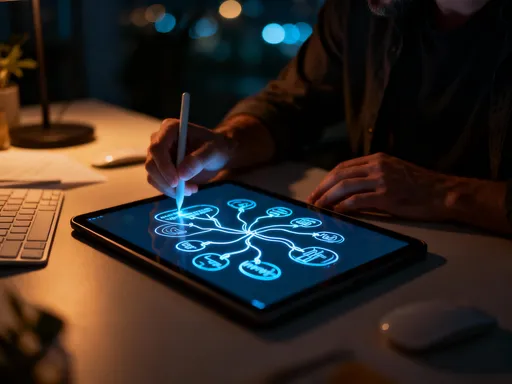
Think of it like setting up little helpers. You’re not replacing your brain. You’re giving it a break. And that break creates space—for creativity, for connection, for rest. One morning, I sat with my coffee, looked at my phone, and realized I hadn’t opened it once just to remember something. My phone was remembering for me. And in that moment, I felt truly supported.
The Calmer Phone, The Lighter Life: What Changed
It’s been six months since I started reshaping my phone, and the changes have rippled into every part of my life. I have more time. Not because I’m doing less—but because I’m wasting less. I’m more focused at work, more patient with my family, and more present in my own life. I still use my phone every day, but now it feels like a quiet ally instead of a demanding boss.
The biggest surprise? I didn’t need to delete social media or go on a digital detox. I just needed to be intentional. Small changes—cleaning the home screen, taming notifications, simplifying apps, using automation—added up to a big shift. My phone no longer drains me. It supports me.
And that support has given me something priceless: peace. I no longer feel like I’m constantly behind. I don’t panic when I see a notification. I don’t feel guilty for not checking my phone. Instead, I feel in control. I open my phone with purpose, not pressure. And that makes all the difference.
If you’re feeling overwhelmed by your phone, I want you to know this: you’re not broken. You don’t need more willpower. You just need a better system. And the good news is, you can build it—one small step at a time. Start with your home screen. Then tackle notifications. Pick one app for each job. Try one automation. Each change is a gift to your future self.
Your phone doesn’t have to be a source of stress. It can be a tool that helps you live a calmer, clearer, more connected life. And when your technology works for you—really works for you—you don’t just get your time back. You get your life back. So go ahead. Take that first step. Your quieter, lighter, more peaceful digital life is waiting.