Why Are You Still Juggling Notes, Photos, and Plans Across Devices When One App Could Keep Everything in Sync—And Your Hobbies Alive?
We’ve all been there—typing a to-do list on our phone, only to lose it before reaching the laptop. Or capturing a perfect moment on our camera, then forgetting to share it with family. Worse, we start hobbies with passion, only to abandon them because inspiration gets scattered across devices. What if your tools could work *with* your life instead of against it? That’s where quiet, smart tech steps in—not to overwhelm, but to unite. It’s not about flashy gadgets or complicated setups. It’s about something simpler: having your life show up exactly where you need it, when you need it. And when that happens, something surprising follows—more time, more calm, and more room to be the person you want to be.
The Hidden Cost of Disconnected Digital Life
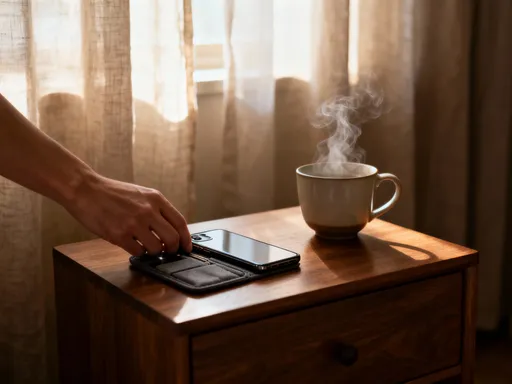
Imagine this: it’s a quiet Sunday morning. The kids are playing quietly, the coffee is warm, and for once, you have ten minutes to yourself. You pull out your tablet and open a journaling app you downloaded last month—determined to start writing again. But the last entry? It’s not here. You remember typing a few lines on your phone during your lunch break, but somehow, they never made it to the tablet. You tap around, frustrated, and finally give up. The moment passes. The kids need help with homework, dinner needs prep, and just like that, your creative spark fizzles out.
This isn’t just a tech glitch. It’s a pattern that plays out in homes everywhere. We collect ideas, photos, to-do lists, and dreams across multiple devices—phones, laptops, tablets—without realizing how much emotional energy we’re wasting just trying to keep up. That lost journal entry? It’s not just data. It’s motivation. It’s the fragile beginning of a habit. And when technology fails to keep pace with our intentions, we blame ourselves. “I’m not disciplined enough.” “I keep starting things I can’t finish.” But the truth is, it’s not laziness. It’s logistics.
Think about family life. Your daughter draws a beautiful picture at school and brings it home. You snap a photo to save it, but it stays buried in your phone gallery. Weeks later, when Grandma asks to see her artwork, you can’t find it. Or your partner sends a grocery list from work, but you’re on a different app and miss the update. These small disconnections add up—creating friction, missed moments, and a sense of constant scrambling. The real cost isn’t the lost file or forgotten note. It’s the erosion of confidence in your own ability to manage your world.
And then there are the hobbies we dream of reviving—painting, writing, learning guitar, gardening with intention. We start with excitement, download an app, take a few photos of our progress, jot down ideas. But if those ideas don’t follow us—from the kitchen counter to the evening couch, from the phone to the computer—they fade. Inspiration doesn’t wait. And if your tools don’t keep pace, even the most heartfelt goals can feel impossible to sustain.
File Syncing Isn’t Just About Tech—It’s About Peace of Mind
Now, let’s flip the script. What if your notes, photos, plans, and projects moved with you—automatically, quietly, without you having to think about it? That’s the quiet magic of file syncing. But don’t let the term fool you. This isn’t about tech for tech’s sake. It’s about creating a sense of calm, a feeling that your digital life is *yours*—organized, accessible, and working in your favor.
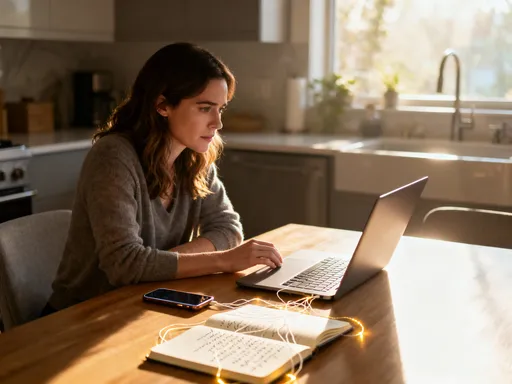
Think of it like your favorite notebook—the one you’ve used for years. It’s worn at the edges, filled with grocery lists, doodles, reminders, and maybe a recipe from your mom. You trust it. You know everything’s in there. File syncing gives you that same trust, but across all your devices. When you write a note on your phone, it’s already on your laptop. When you save a photo from your tablet, it’s backed up and ready to share. No manual transfers. No “where did I save that?” panic. Just peace of mind.
Take Maria, a mom of two, who started using a synced note-taking app to track her youngest’s speech therapy exercises. She’d jot down observations during the day on her phone—how many times he used a new word, what triggered frustration. Then, during her weekly call with the therapist, she’d pull up the same notes on her laptop. No scrambling. No forgotten details. “It sounds small,” she says, “but it made me feel like I was really showing up—for him, for the process.” That’s the emotional shift: from feeling overwhelmed to feeling capable.
Or consider how syncing helps preserve moments that matter. A grandmother records a bedtime story on her phone for her grandchild. With syncing enabled, the file appears instantly on the family’s shared folder. The child’s parent plays it that night, and the next morning, the child says, “Grandma read to me!” The technology didn’t create the moment—but it made sure it wasn’t lost. It honored the intention. And over time, these small, consistent touches build a deeper sense of connection, especially when life keeps families apart.
How Seamless Access Fuels Personal Growth
Personal growth doesn’t happen in grand gestures. It happens in the small, repeated actions—writing one paragraph, practicing one chord, sketching one idea. But those actions only stick if they’re easy to return to. That’s where seamless access becomes a quiet engine for change.
Meet Lena, a high school teacher who’s been trying to get back into photography. She loves capturing small moments—the way light hits the classroom in the afternoon, her dog napping in a sunbeam. But she used to lose momentum. She’d take a photo on her phone, edit it later on her laptop, then forget to save the final version. Or she’d read an article about composition and want to apply it, but the notes were stuck on her tablet at home. The inspiration faded before she could act on it.
Then she started using a synced cloud storage system. Now, every photo she takes is automatically backed up and accessible from any device. Her editing presets, her notes on lighting techniques, even her list of “photos to try” are all in one place. When she has five minutes before bed, she can open her laptop and tweak a shot. When she’s at school and sees a perfect moment, she knows she can capture it and return to it later—no stress, no lost files. “It’s not that I’m suddenly a pro,” she says. “It’s that I don’t feel like I’m fighting my tools anymore.”
This is the real power of syncing: it removes friction from growth. Whether you’re learning a language, tracking your water intake, or planning a garden, having your materials always available means you can act on inspiration the moment it strikes. You don’t have to wait until you’re at your desk. You don’t have to remember to transfer files. You just *do*. And over time, those small actions add up to real progress.
For many women in their 30s, 40s, and 50s, personal growth isn’t about reinvention. It’s about reconnection—with creativity, with curiosity, with the parts of ourselves that get buried under daily responsibilities. Syncing doesn’t create time, but it makes the time you have more meaningful. It turns scattered moments into sustained momentum.
Strengthening Family Ties Through Shared Digital Spaces
Families don’t need more apps. They need more connection. And sometimes, the simplest way to build that connection is through shared digital spaces—folders that act like family scrapbooks, message boards, and planning hubs all in one.
Imagine a folder labeled “Family Adventures.” Inside, you’ll find last summer’s vacation photos, a playlist of songs the kids made for the car ride, a scanned copy of the menu from that little Italian restaurant in Vermont, and a voice memo of your son laughing at a corny joke you told. It’s not fancy. But it’s *yours*. And because it’s synced across devices, anyone in the family can add to it, revisit it, or share a piece of it with a grandparent far away.
These shared spaces become living archives of your life together. A teenager drafts a poem in a shared document and leaves it for her mom to read. No pressure, no big conversation—just a quiet “I made this.” A dad saves a recipe he wants to try and shares it with his partner, who adds notes about substitutions. Siblings co-manage a holiday playlist, taking turns adding songs and commenting on each other’s choices. These aren’t grand events. They’re small, consistent touches that say, “I’m thinking of you. I see you.”
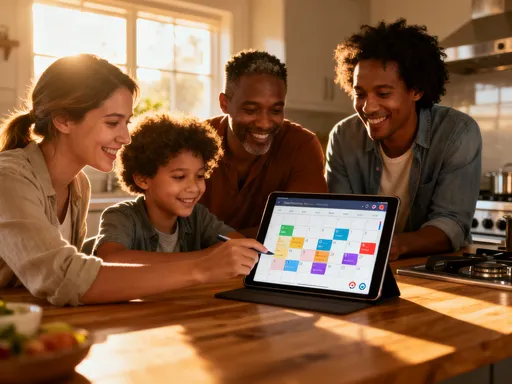
And for busy parents, these spaces reduce the mental load. Instead of chasing down information—“Did you send the birthday invite?” “Where’s the pediatrician’s number?”—everything lives in one trusted place. Meal plans are updated in real time. School project deadlines are shared. Doctor’s appointment summaries are saved and accessible. The result? Less stress, more presence. You’re not spending energy managing information—you’re using it to connect.
One mom told me, “Before, I felt like I was the family’s memory keeper—and it was exhausting. Now, we all contribute. My kids add their art. My husband saves funny videos. And when we’re all together, we pull up the folder and just… remember. It’s like we’re building our story, together.” That’s the quiet power of syncing: it doesn’t replace real connection. It supports it.
Turning Passion Projects into Lasting Habits
We all have dreams tucked away—learning to knit, writing a memoir, starting a small garden blog. But dreams don’t become habits unless they’re easy to return to. And that’s where syncing becomes an invisible support system.
Think about how habits form. It’s not about willpower. It’s about convenience. If your journal is on the shelf, you won’t write. If your workout plan is stuck in an old notebook, you won’t follow it. But if your tools are always within reach—if your draft is open on your phone, your research is saved in the cloud, your inspiration folder is one tap away—then showing up becomes natural.
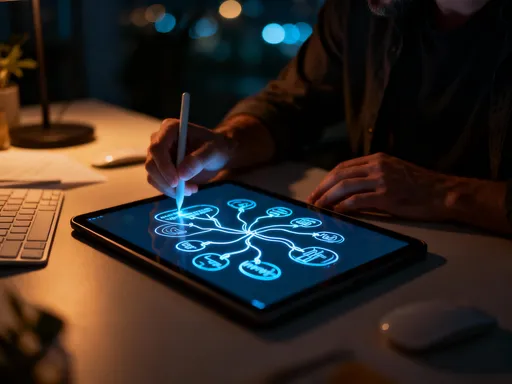
Take gardening, for example. You start with excitement—buying seeds, sketching a layout, watching tutorials. But if your notes are on your laptop and you’re outside with only your phone, you can’t check what you planted where. Or if you find a beautiful flower at the nursery but can’t remember which variety you wanted, the moment of inspiration passes. But when your garden plan is synced across devices, you can pull it up while you’re shopping, add photos of your progress from your phone, and update your planting schedule from your tablet. The project stays alive—not because you’re perfect, but because your tools are reliable.
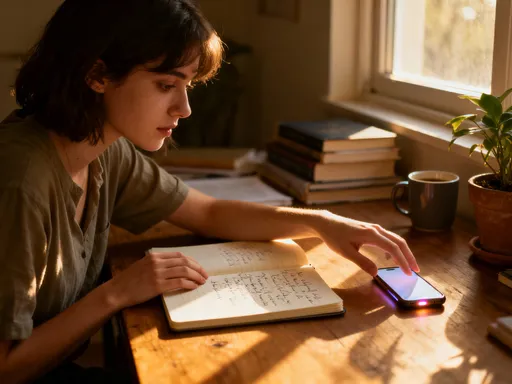
The same goes for creative writing. You’re lying in bed, and a story idea hits. You open your notes app and start typing. Because it’s synced, that draft is already waiting for you in the morning—on your laptop, ready to expand. No lost ideas. No “I’ll remember it later” that turns into “I forgot it completely.” Over time, this builds confidence. You start to trust that your ideas are safe, that your progress is visible, that you can return to something even after a busy week.
Here’s a simple tip: organize your synced folders by passion, not by device. Create a folder called “My Writing,” another called “Garden Dreams,” and one called “Recipes to Try.” Invite family members to join the ones that matter to them. Set a weekly reminder—on all your devices—to check in and add one thing, even if it’s just a photo or a sentence. These small rituals, supported by seamless tech, turn fleeting inspiration into lasting habits.
Choosing Simplicity Without Sacrificing Security
Now, you might be wondering: “Is this safe? Will my family photos be protected? What if I lose my phone?” These are smart questions—and they matter. The good news is, you don’t have to choose between ease and security. The best syncing tools are designed for real life: simple to use, but built with privacy in mind.
Look for services that offer end-to-end encryption—this means only you and the people you share with can access your files. Even the company storing your data can’t see it. It’s like sealing a letter in an envelope that only you have the key to. Also, choose apps that work offline. That way, if you’re on a plane or in a spot with bad signal, you can still access your notes, photos, and plans. When you’re back online, everything syncs automatically—no effort required.
And don’t overlook ease of use. If a tool feels complicated, you won’t stick with it. The best systems work quietly in the background. You save a file, and it just… appears where you need it. No buttons to press, no settings to tweak. They support multiple devices—phone, tablet, computer—so everyone in the family can use them, regardless of what they own.
You don’t need to be a tech expert to benefit from this. Most apps walk you through setup with clear, step-by-step guidance. And if you ever have a question, look for ones with real human support—chat, email, or phone help from actual people, not bots. This isn’t about mastering technology. It’s about finding tools that respect your time, your privacy, and your peace of mind.
A Life Where Technology Finally Feels Human
At the end of the day, we don’t want more technology. We want more life. We want space to breathe, to create, to connect. And the most powerful tech isn’t the loudest or flashiest—it’s the one that knows when to step back.
When your files sync automatically, you’re not just saving time. You’re freeing up mental space. You’re giving yourself permission to forget the logistics so you can focus on what matters—your child’s smile, the first bloom of your garden, the joy of writing just because you want to. Technology, at its best, doesn’t demand your attention. It supports your intention.
Imagine a future where your tools remember so you don’t have to. Where your ideas are safe, your memories are preserved, and your family feels more connected—not because you’re glued to screens, but because your digital life works quietly, reliably, in the background. That’s not science fiction. It’s possible, today.
And for women who carry so much—the schedules, the emotions, the memories, the dreams—this kind of support isn’t a luxury. It’s a lifeline. It’s the difference between feeling scattered and feeling centered. Between abandoning a hobby and watching it grow. Between missing a moment and sharing it with someone you love.
So ask yourself: what could you create, nurture, or rediscover if your tools actually worked for you? If your notes stayed put, your photos stayed safe, and your plans moved with you? The answer might be simpler than you think. It starts with one app, one folder, one moment of saying, “I’m done juggling. I’m choosing ease.” And from there, everything else can follow.