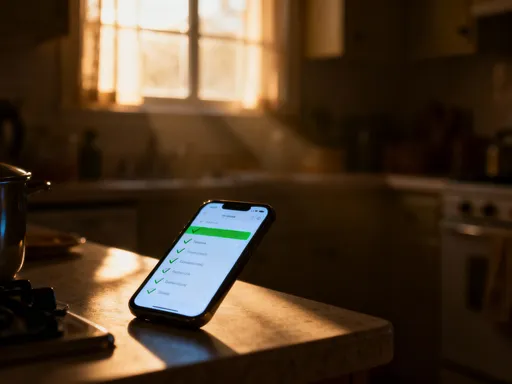
What If Your Shopping Habits Could Finally Give You Back Time for What You Love?
We’ve all been there—scrolling endlessly, comparing prices, trying to save a few dollars, only to realize we’ve lost an hour we can’t get back. What if that energy spent hunting for deals could actually help you grow a hobby, connect with family, or just breathe? The truth is, smart shopping isn’t about spending less—it’s about gaining more: time, peace, and space for the things that truly matter. Let’s talk about how.
The Hidden Cost of “Saving” Money
Have you ever sat down to buy something simple—like a new coffee maker or a pair of gardening gloves—and suddenly found yourself two hours deep in product reviews, discount codes, and shipping estimates? You started with good intentions: be responsible, stretch your budget, make a thoughtful choice. But somewhere between reading 47 customer reviews and debating whether to wait for a weekend sale, you lost something far more precious than money—your time.
And it’s not just the minutes. It’s the mental weight. That low hum of decision fatigue that follows you into the rest of your day. You finally click 'buy,' but instead of feeling accomplished, you feel drained. What if I got the wrong one? Did I pay too much? Could I have found it cheaper somewhere else? These quiet questions chip away at your confidence and steal your focus from the people and passions that really matter.
Think about the last time you planned a weekend project with your kids—maybe building a birdhouse or planting herbs in the backyard. Excitement built all week. But then, Friday night rolls around, and you realize you’re missing a tool. So you dive into your phone, searching, comparing, second-guessing. By the time you decide, it’s late. The kids are sleepy. The moment passes. That’s the hidden cost of 'saving' money. It’s not just about dollars and cents. It’s about lost connection, missed opportunities, and the slow erosion of joy in everyday life.
Here’s the shift we need to make: true savings aren’t measured in how much we spend, but in how much we gain. What if, instead of chasing the lowest price at the cost of our energy, we focused on tools that help us spend wisely—and quickly—so we can move on to what we love? That’s not laziness. That’s wisdom. And yes, the technology to make it possible already exists.
How Price Comparison Tools Became Smarter Than We Are
Remember the old days? You’d open five browser tabs, copy-paste prices into a spreadsheet, and still not feel sure you’d found the best deal. It was like being a part-time detective, except the mystery never really ended. Today, the game has changed. Smart price comparison tools aren’t just faster—they’re smarter. They learn what you like, watch prices across hundreds of stores, and tell you when it’s the right time to buy. Think of them as that one friend who always knows when the sale hits, but never makes you feel guilty for missing it.
These tools work quietly in the background. You search for something—say, a new vacuum or a birthday gift—and the tool remembers it. It tracks the price over days or weeks, watching for drops. Some even predict when a deal is likely, based on historical patterns. And when the moment is right, you get a simple alert: 'It’s a good time to buy.' No stress. No endless scrolling. Just clarity.
Let me tell you about Sarah, a mom of two in Ohio. She was planning to replace her old blender but kept putting it off because she didn’t want to overpay. She set a price alert on a trusted comparison platform and forgot about it. Three weeks later, she got a notification: the model she wanted was 30% off, and it was the lowest price in six months. She bought it in under two minutes. But more than the savings, she loved that she didn’t have to think about it. That mental space? She used it to finally sign up for a pottery class she’d been eyeing for months.
That’s the real power of these tools—not just saving money, but saving your mind. They reduce decision fatigue, cut out impulse buys, and give you confidence in your choices. You stop asking, 'Did I get the best deal?' and start asking, 'What do I want to do next with my time?' And that shift? It changes everything.
Turning Saved Minutes Into Meaningful Moments
Let’s talk about time. Not in abstract terms, but in real, tangible moments. What could you do with an extra 15 minutes a day? That’s about 90 hours a year—nearly four full days. Now imagine those minutes didn’t come from cutting out coffee breaks or skipping meals, but from small efficiencies in how you shop.
Every time a price alert saves you from an hour of research, that’s an hour you can give back to yourself. Maybe it’s a walk around the neighborhood while the sun is still up. Maybe it’s sitting down with your journal and sketching something just because it makes you happy. Or maybe it’s calling your mom, not because it’s her birthday, but just because you miss her voice.
Take Mark and Lisa, a couple in Colorado. They used to argue about money—not because they didn’t agree on values, but because shopping felt like a chore that never ended. They’d both end up stressed, comparing prices late at night, feeling like they were failing each other. Then they tried a shared price tracking list. They added things they wanted—Lisa wanted a new set of watercolor paints, Mark wanted a hiking backpack—and set alerts. When a deal hit, they got a notification together. No more secret searches. No more last-minute panic buys.
But here’s what surprised them: the time they saved didn’t just go to hobbies. It went to connection. Instead of spending Saturday mornings arguing over receipts, they started taking weekly walks. They called it their 'no-talk-about-money walk.' Just being together, breathing, laughing. They didn’t realize how much tension shopping had created until it was gone. The tools didn’t fix their relationship—but they gave them space to reconnect.
That’s the magic of small savings. They don’t just add up in your bank account. They add up in your life. One less decision. One less worry. One more moment of presence. And over time, those moments become a rhythm—a life that feels less rushed, more intentional.
Supporting Hobbies Without Breaking the Budget
Hobbies are good for the soul. They ground us, inspire us, remind us who we are outside of our roles as parents, partners, or professionals. But let’s be honest—starting a new hobby can feel expensive. A beginner’s guitar. A set of knitting needles and yarn. A full gardening kit. The price tag can feel like a barrier, especially when money feels tight.
But what if you could plan for those purchases without stress? What if you could say yes to the things that light you up—without saying no to financial peace?
This is where smart shopping tools shine. Instead of waiting for a random sale or splurging in a moment of excitement, you can set a target price for the item you want. Let’s say you’ve always wanted to learn photography. You find the camera model that fits your needs and set a price alert for 20% below retail. The tool monitors it. You live your life. When the price drops to your target, you get a gentle nudge: 'It’s time.'
No FOMO. No regret. Just readiness.
One woman in Texas used this method to finally buy the loom she’d dreamed of for years. She set a price alert, waited six months, and when the deal came, she bought it with zero guilt. She didn’t feel like she’d overspent—she felt like she’d planned well. And that confidence carried over into her new craft. She didn’t rush. She learned slowly. She enjoyed the process.
That’s the difference between impulsive spending and intentional investing—in yourself. These tools don’t encourage consumerism. They support intentionality. They help you align your spending with your values. You’re not buying more. You’re buying meaningfully. And that makes all the difference.
Building a Family Rhythm That Includes Joy, Not Just Chores
Shopping isn’t just a personal task—it’s often a family affair. From school supplies to holiday gifts to kitchen upgrades, decisions ripple through the household. And when those decisions are stressful, they create tension. 'Why did you spend that much?' 'I thought we were saving for the vacation.' 'You never tell me about deals.'
But what if shopping could become a shared practice of patience and support? Imagine your teenager wanting a new guitar. Instead of saying no because it’s too expensive, you say, 'Let’s wait for the right time.' You add it to a shared wish list with price tracking. Every few weeks, you check in together. 'Any deals yet?' 'Not yet, but it’s getting closer.' When the alert finally comes, it’s a celebration. Not just because they’re getting the guitar—but because you did it together.
That’s how values are built. Not through lectures, but through quiet, consistent actions. You’re teaching patience. You’re modeling smart choices. You’re showing that waiting can be worth it.
One family in Minnesota uses a shared digital list for everything—from new towels to birthday gifts. Each person can add items, set price alerts, and see when deals come in. It’s not about control. It’s about collaboration. They’ve even started a 'Family Win' section where they note when someone got a great deal. It’s become a small ritual, a way to celebrate wins big and small.
And here’s the unexpected benefit: fewer arguments about money. Because the system is transparent, there’s less suspicion. Because the tools do the work, there’s less pressure. And because everyone is involved, there’s more trust.
Technology, when used this way, becomes invisible support. It doesn’t replace conversation—it creates space for better ones. You’re not talking about who spent what. You’re talking about what matters. And that’s how families grow—not in perfection, but in connection.
From Overwhelm to Calm: Designing a Life with Space to Breathe
Have you ever noticed how small stresses pile up? It’s not one big thing. It’s the constant background noise of 'I need to remember to check that deal' or 'Did I pay too much for that?' Over time, it wears you down. You feel rushed. Distracted. Like you’re always one step behind.
But when shopping stops being a source of anxiety, something shifts. You feel lighter. More present. More in control.
That’s what so many women report when they start using smart price tools—not just savings, but calm. They’re not obsessed with getting the absolute lowest price. They’re relieved to know they’re not overpaying. That peace of mind frees up energy for other things—like signing up for a dance class, starting a blog, or simply sitting quietly with a cup of tea.
One woman in Oregon told me she used to spend Sunday evenings dreading the week ahead—partly because she’d spent the weekend researching prices for household items. It felt like work. Now, she sets alerts on Friday, then lets go. Her weekends feel different. Lighter. She’s started taking her dog to the park in the mornings. She says it’s not just about the time—it’s about the mental shift. 'I don’t feel behind anymore,' she said. 'I feel like I’m living my life, not managing it.'
That’s the quiet revolution of smart shopping. It’s not about optimization. It’s about liberation. When you stop wasting energy on small decisions, you gain space for big ones. You start to ask, 'What do I really want?' instead of 'What can I afford?' And that question—more than any discount—can change your life.
Making It Work for You: A Simple Start That Sticks
I know what you might be thinking: 'This sounds great, but I don’t have time to learn a new app or set up complicated alerts.' I get it. The last thing you need is another thing to manage.
So let’s keep it simple. You don’t need to overhaul your entire shopping life. Just start with one thing.
Think of something you plan to buy in the next few weeks—a kitchen gadget, a gift, a piece of clothing. Just one. Then, pick one trusted price comparison tool—something easy to use, with good reviews. Search for that item. Set a price alert. That’s it.
Maybe you’ll hear back in three days. Maybe it’ll take three weeks. But when you do, you’ll know it’s a good time to buy. No second-guessing. No stress.
Imagine getting that notification and thinking, 'Oh, perfect. I can buy it now and move on.' No more tabs. No more spreadsheets. Just peace.
And when that happens, notice how it feels. Not just the savings—but the freedom. The mental space. The quiet joy of making a decision and being done with it.
That’s the goal. Not perfection. Not spending the least. But living with more ease, more intention, more room for what you love.
Because you deserve that. Your time is precious. Your energy is limited. And the things that matter—your hobbies, your family, your peace—shouldn’t have to compete with the noise of endless shopping.
So go ahead. Pick one purchase. Set one alert. See what happens. You might just find that the smallest tech habit can give you back the most valuable thing of all—time to breathe, to connect, to be you.